Menu
Applications & Industries
Applications
Cleaning
Compacting
Dosing
Emptying
Feeding
Loosening
Packaging
Sieving
Sorting
Testing and Simulation
Concrete compaction
Industries
Agriculture Industry
Automotive Industry
Chemical & Pharmaceutical Industry
Construction Materials Industry
Consumer Goods Industry
Energy Industry
Food Industry
Foundries
Mechanical Engineering
Packaging Industry
Plastics Industry
Raw Materials Industry
Recycling & Environmental Technology
Research & Development
Applications & Industries
Read more
Applications
Industries
Cleaning
Compacting
Dosing
Emptying
Feeding
Loosening
Packaging
Sieving
Sorting
Testing and Simulation
Concrete compaction
Agriculture Industry
Automotive Industry
Chemical & Pharmaceutical Industry
Construction Materials Industry
Consumer Goods Industry
Energy Industry
Food Industry
Foundries
Mechanical Engineering
Packaging Industry
Plastics Industry
Raw Materials Industry
Recycling & Environmental Technology
Research & Development
Products & Systems
Pneumatic Vibrators
Electric Vibrators
Hydraulic Vibrators
Special Vibrators
Plant Machinery
Accessories
Products & Systems
Read more
Pneumatic Vibrators
Electric Vibrators
Hydraulic Vibrators
Special Vibrators
Plant Machinery
Accessories
Service & Downloads
Download Centre
Technical Questionnaires
Test and Rental Equipment
Formula Collection
About us
Why NetterVibration?
Why Vibration Technology?
NetterVibration Worldwide
Our Management
Company History
Sustainability at NetterVibration
Careers
News
Contact
Sales
Technical Consulting
en
de
fr
pl
es
en
de
fr
pl
es
to career website
career website
career website
Career
Search
News
NetterVibration
News
NetterVibration
News
NetterVibration strengthens international subsidiaries through internal succession and modern brand presence
NetterVibration, an international solutions provider for industrial vibration technology, is starting the year 2026 with momentum.
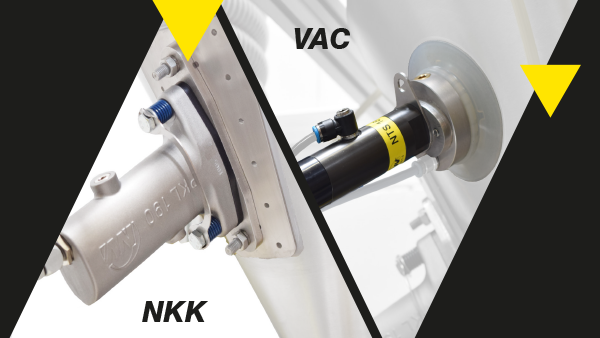
Intelligent Fastening Methods for Vibration Technology: Adhesive Consoles and Vacuum Fixing Devices
To eliminate build-up or bridging in silos and to support material flow using vibration technology, safe and efficient fastening methods are essential to ensure reliable operation and the gentle treatment of plant equipment.
Cleaning Method in a Critical Process Environment
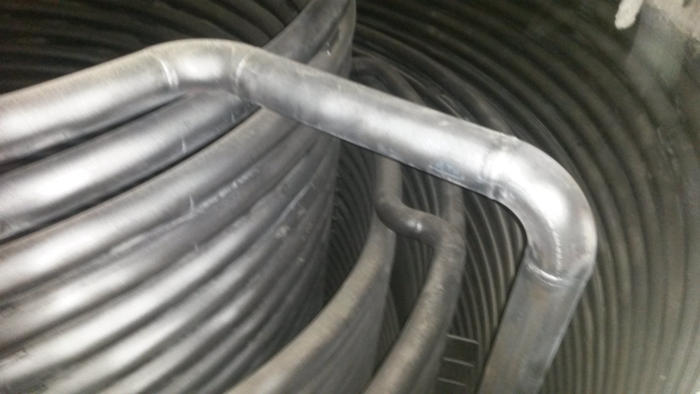
Efficient Cleaning of Heat Exchangers with High‑Frequency Impactors
Dust Protection for Sensitive Bulk‑Material Processes
Protective Caps Extend the Service Life and Safety of Piston Vibrators
An Alternative to Welding and Bolting – Glueing Consoles for Vibrators and Impactors
An Alternative to Welding and Bolting – Glueing Consoles for Vibrators and Impactors
The Dosing Station for Sensitive Products
Application-Specific Solutions for Precise Dosing of Bulk Materials
1
2
3
4
5
next